Stomach Ache After Drinking Alcohol? How to Ease It

⏱️ TL:DR ∙ Article in 20s
Alcohol irritates your stomach lining and ramps up acid, which is why a heavy night leaves you sore and queasy. To settle it: eat bland carbs, rehydrate, try an antacid, and use ginger for nausea — while going easy on NSAIDs (Advil, aspirin), fatty or spicy food, and more alcohol. Be cautious with painkillers around alcohol: NSAIDs worsen stomach bleeding risk and paracetamol stresses the liver. There's no magic cure, but if pain is severe, persistent, or you see blood, see a doctor. The surest fix is drinking less.
- What causes a stomach ache after drinking?
- How to ease a stomach ache after drinking
- What is acute gastritis?
- Common hangover symptoms
Share this article
Copy and paste this link
Few things sour the morning after like a sore, churning stomach. We've all been there — and the good news is there's plenty you can do, before, during and after drinking, to settle it.
Below: what's actually happening in your stomach, nine practical ways to ease the ache and nausea, and the warning signs that mean it's time to see a doctor. One honest note up front — the only sure way to avoid it entirely is to drink less.
What causes a stomach ache after drinking?
Alcohol is the culprit, in two ways. It directly irritates the lining of your stomach and it ramps up acid production — a combination the NIAAA links to the nausea and stomach discomfort of a hangover. Push it hard enough and that irritation can tip into gastritis (more on that below).
How to ease a stomach ache after drinking
You can't undo a heavy night, but these steps genuinely help take the edge off.
1. Eat plain, bland carbs
Once you can face food, reach for bland carbs — toast, plain crackers, oats. They settle the stomach gently and help nudge up the low blood sugar that drags you down after drinking. Eat slowly so you don't overwhelm a tender stomach.
2. Rehydrate
Alcohol leaves you dehydrated, so steady rehydration helps. Water is fine; drinks with electrolytes do a bit more. Pedialyte or electrolyte tablets add sodium and potassium cheaply. Sip rather than gulp.
3. Carbonated drinks — with caution
Something fizzy like ginger ale can ease nausea for some people — but the bubbles and sugar can make stomach pain and reflux worse for others. Try a little and see which camp you're in.
4. Try an antacid
Antacids work by neutralising stomach acid — raising its pH — which can quickly soften that burning, acidic discomfort and take the edge off nausea. They're cheap, fast-acting and easy to find.
5. Be careful with painkillers
This one needs care, especially with a sore stomach. NSAIDs like ibuprofen (Advil) and aspirin irritate the stomach lining, and combined with alcohol they raise the risk of stomach bleeding, the NIAAA warns. Paracetamol (Tylenol) is gentler on the stomach but harder on the liver alongside alcohol.
As Stanford's Dr. Anna Lembke told SingleCare, "Alcohol and Tylenol in combination tax the liver." Neither is a free pass: ideally wait until the alcohol has cleared, stick to the label dose, and ask a pharmacist if you're unsure.
6. Ginger for the nausea
For the queasy side of things, ginger has the best evidence. A systematic review of clinical trials found it helps nausea and vomiting — acting on the gut's M3 and 5-HT3 receptors and easing gastric motility — though standardised preparations work more reliably than random ginger products. Peppermint may help some people too.
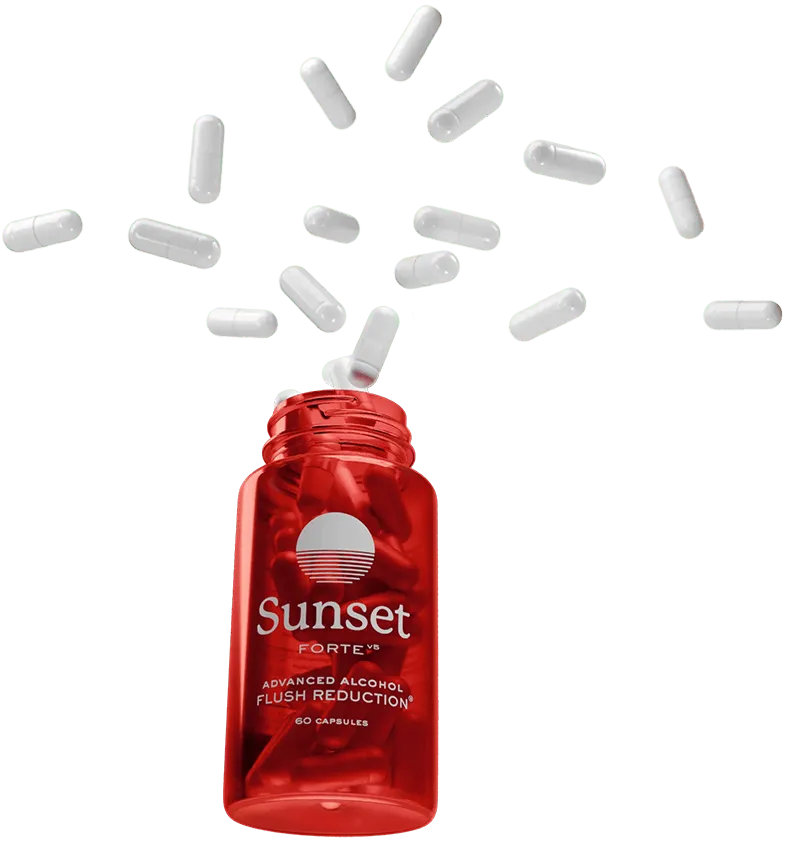
If you want a standardised option, Sunset Forte includes a standardised ginger extract alongside ingredients formulated to support your body's natural processing of alcohol's byproducts. It isn't a hangover cure, and for a sensitive stomach the surest fix is still drinking less.
7. Avoid trigger foods
If your stomach is inflamed, go easy on it. Stick to smaller, easy-to-digest meals (rice, lean meats, potatoes, vegetables), don't lie down straight after eating, and steer clear of fatty, spicy and acidic foods — plus caffeine — until you've settled.
8. Skip the "hair of the dog"
Drinking more to fix a hangover is a myth — and a fast track to a worse, longer one, as we cover in why hangovers drag on. For a tender stomach, another drink is the last thing it needs.
9. See a doctor if the pain lingers
Most alcohol-related stomach aches pass within a day. If yours is severe, persistent, or keeps returning once you've ruled out the obvious, get it checked — your gut is worth listening to.
What is acute gastritis?
Acute gastritis is a sudden inflammation of the stomach lining. The NIDDK lists alcohol — along with NSAIDs and other irritants — as a common cause. It tends to be temporary, coming on fast and easing once the irritant is gone, in contrast to chronic gastritis, which builds slowly and lasts.
If you get it routinely after drinking, that's your body asking you to cut back — and to avoid the trigger foods above while it heals.
Common hangover symptoms
A sore stomach rarely travels alone. Other common hangover symptoms include:
- Fatigue, weakness and muscle aches
- Headache and thirst
- Dizziness or the spins
- Nausea and stomach pain
- Anxiety and irritability
- Facial flushing
The steps above ease the stomach specifically, but many help the broader hangover too.
The bottom line
There's no magic cure for an alcohol-upset stomach, but bland food, steady fluids, an antacid and a little ginger for the nausea will usually settle it — while you steer clear of NSAIDs, trigger foods and more alcohol. If the pain is severe or keeps coming back, see a doctor. And the most reliable protection, as ever, is simply drinking less.
Enjoy your social life again — get Sunset Alcohol Flush Support for
33% off while stocks last!
What's inside?
Sunset Forte uses a carefully formulated blend of Glutathione, Dihydromyricetin, Cysteine, L-Theanine, & B Vitamins to support natural acetaldehyde processing and a clearer, less-flushed look.
Learn more
94% of people who try Sunset are satisfied.