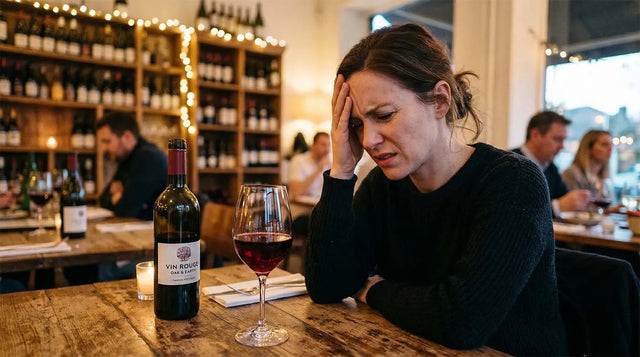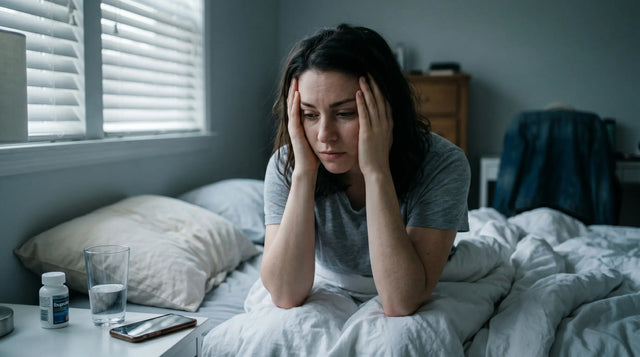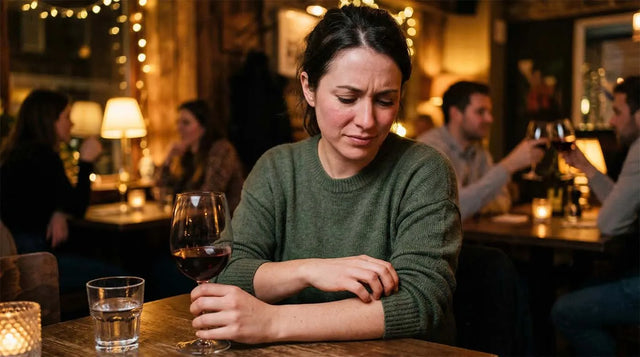


Waking up wrecked after a big night is bad enough. When the pounding head, nausea and fog stretch into a second day, it can feel genuinely debilitating — and you're left wondering what you did wrong.
The honest truth first: there's no magic cure for a two-day hangover, and the single biggest lever is simply how much and how fast you drink. But several specific things can turn a normal hangover into a 48-hour one. Here are ten — and what actually helps.
1. You didn't drink enough water
Alcohol is a diuretic, so a heavy night leaves you mildly dehydrated — which feeds the thirst, headache and fatigue. It's worth saying clearly, though: dehydration is a contributor, not the master cause. As the NIAAA notes, a hangover is multifactorial, and rehydrating alone won't switch it off.
Tip: Alternate alcoholic drinks with water through the night. It's the simplest habit that helps — just don't expect it to be a cure on its own.
2. You drank too much, too fast
Your body clears alcohol at a fixed pace. Pour it in faster than that and you get drunker, and you pay for it longer the next day. The amount and speed of drinking is the strongest predictor of how rough — and how long — the hangover will be.
Tip: Slow down. Pick drinks you naturally sip rather than shoot, and don't try to keep pace with everyone else.
3. You're processing alcohol more slowly with age
If you can't handle a big night like you did at twenty, that's normal. With age, body composition shifts (less water, often a slower metabolism), so the same drinks can hit harder and linger longer. The effect varies a lot from person to person.
Tip: Recalibrate to the body you have now, not your university days — usually that means a drink or two fewer.
4. Alcohol intolerance or Asian flush
If alcohol reliably brings on a red face, a thumping head or nausea after just one or two, you may have alcohol intolerance or the ALDH2 deficiency behind Asian flush. A true alcohol allergy is very rare; this is far more common.
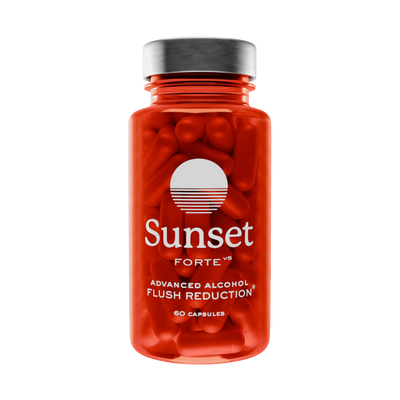
The link to a longer hangover is acetaldehyde — the toxic byproduct of alcohol your body has to clear. People with an ALDH2 deficiency clear it slowly, so it builds up and the misery can drag on. Supporting that clearance is the relevant lever here: it's what Sunset Alcohol Flush Support is formulated for — supporting your body's natural acetaldehyde processing. It isn't a hangover cure, and no supplement is.
5. Your drink choice
Not all drinks leave you equally rough. Darker drinks contain more congeners — fermentation byproducts that add to the next-day toll. In a Brown University study of bourbon versus vodka, bourbon (with around 37 times the congeners) produced clearly worse hangovers.
Tip: Clearer drinks like vodka and gin tend to be gentler — but "fewer congeners" isn't "safe." The ethanol is still the main culprit.
6. You're on medication
Some medicines change how your body handles alcohol, leaving you drunker — and more hungover — than usual. The combinations can also be genuinely unsafe, not just unpleasant.
Tip: Check with your doctor or pharmacist about whether it's safe to drink on any medication you take.
7. "Hair of the dog"
The idea that another drink cures a hangover is a myth — one that, fittingly, traces back to a 16th-century belief about curing rabies. Drinking more just delays the recovery your body is trying to start, and dehydrates you further.
Tip: Skip it. The only thing that reliably ends a hangover is time.
8. Poor sleep from drinking
Alcohol helps you fall asleep, then wrecks the quality of it — fragmenting your night and cutting the deep, restorative stages. You wake unrefreshed, which makes everything else feel worse. We dig into this in why alcohol makes you sleepy.
Tip: Try to leave a gap between your last drink and bed, so alcohol interferes with your sleep cycle less.
9. Drinking on an empty stomach
Food doesn't "soak up" alcohol, but it does slow how fast alcohol hits your bloodstream — which gives your body a more manageable pace to work at. Drink on empty and the peak comes faster and harder.
Tip: Eat before and while you drink, and again on day one of recovery.
10. Low blood sugar
Alcohol can disrupt your blood-sugar regulation, and a dip leaves you weak, shaky and fatigued — a big part of that wrung-out hangover feeling.
Tip: Less-sugary drinks and eating properly help steady things; if you have a blood-sugar condition, take extra care.
So why do hangovers last two days?
Usually it's not one villain but a stack of them: too much alcohol too fast, poor sleep, an empty stomach, a high-congener drink, and — for some — a body that clears acetaldehyde slowly. Hangover symptoms peak as your blood alcohol returns to zero, and as the researcher behind that bourbon study, Damaris Rohsenow, told CNN, "the bourbon isn't the whole story" — the alcohol is.
So the fix isn't a product or a trick — it's working out which of these applies to you and adjusting. And the most dependable levers are the dull ones.
Above all, drink responsibly. If you suspect your prolonged symptoms come from alcohol intolerance or the flush, our guide to sudden alcohol intolerance is the right next read. And for the practical side of the morning after, here’s how to get rid of alcohol breath.